How AI Will Impact the Creative Industry: A New Era of Optimized Creativity
As a multimedia designer who has lived through every digital wave — from the first Photoshop layers to the latest 3D workflows — I’ve seen how technology reshapes our creative rhythm. Today, we face another transformation: Artificial Intelligence. And the question resurfaces across studios, agencies, and classrooms alike — How will AI impact the creative industry?
The answer, I believe, is not in replacement but in reinvention. AI isn’t the end of human creativity; it’s the start of its next evolution. It optimizes the craft, accelerates experimentation, and opens new frontiers across graphic design, photography, filmmaking, animation, sound, and music.
Graphic Design: Creativity at the Speed of Thought
In design, AI tools can now suggest compositions, color harmonies, and even brand systems in seconds. Yet the designer’s value only grows stronger. When execution becomes effortless, concept becomes everything.
AI clears the static — the hours of manual work — allowing us to focus on story, symbolism, and emotion. The canvas isn’t smaller; it’s infinite.
Photography: The Lens of Possibility
AI enhances what cameras capture — refining light, focus, and mood in ways once impossible. It can reimagine lost details or prototype visual concepts instantly. But photography has never been about pixels; it’s about presence.
AI might recognize a smile, but only a human understands why it matters. The machine assists; the artist defines.
Filmmaking and Animation: From Vision to Frame
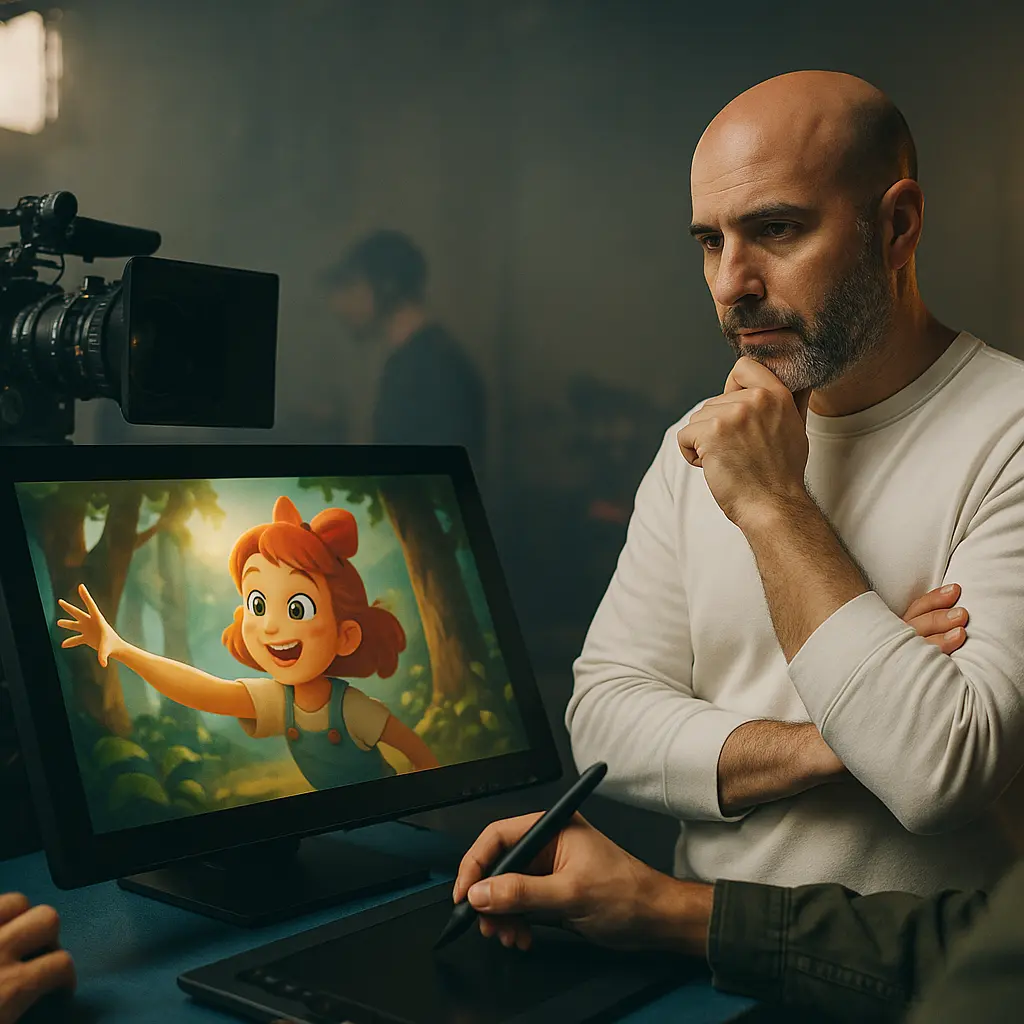
In film and animation, AI is rewriting the production process. Scripts can become storyboards overnight. Visual effects that once took weeks now render in real time. It’s not about cutting corners — it’s about expanding vision.
The director, animator, or editor doesn’t lose authorship; they gain agility. AI becomes the quiet co-director who helps translate imagination into motion.
Sound and Music: The Pulse of Intelligent Emotion
Musicians and sound designers now work with AI systems that generate harmonies, sculpt textures, and remix stems with uncanny sensitivity. These tools accelerate creativity, but they don’t compose meaning.
Emotion still belongs to us. AI might predict rhythm, but it cannot feel the silence between notes — that fragile human truth that turns sound into music.
A Future of Collaboration, Not Competition
So, how will AI impact the creative industry? By reshaping it from the inside out. It will streamline processes, democratize tools, and push artists to imagine beyond their limits.
Creativity will not vanish; it will diversify. The future belongs to those who see AI not as a rival, but as a remarkable collaborator — one that enhances what makes us most human: our ability to dream.
Key Takeaways
- AI enhances creativity, not replaces it.
- Designers, filmmakers, and musicians will gain new freedom through automation.
- The creative process becomes faster, deeper, and more experimental.
- The true artistry remains human — guided by emotion, intention, and story.